Reflecting on my first WWOOF trip
Created - 11/7/2025 | Edited - 11/7/2025Last August, I embarked on my first WWOOF (World Wide Opportunities on Organic Farms) trip, and it was an eye-opening experience!
Here I learned about the "plow pan", permaculture, processed haskap berry jam, and did forestry work and fire prevention.
My destination was in British Columbia, where I stayed on a small, quaint winery and homestead nestled in the hills above Salmon Arm. My host was a former woodsman turned farmer.
He bought the farmstead as he wanted to spend more time with his son and his job required long absences away at logging camps across the provinces, all the while still remaining outdoors.
He was knowledgeable about what he did and very fit from his days while lumbering, and I learned many things about permaculture, regenerative farming, and forestry.
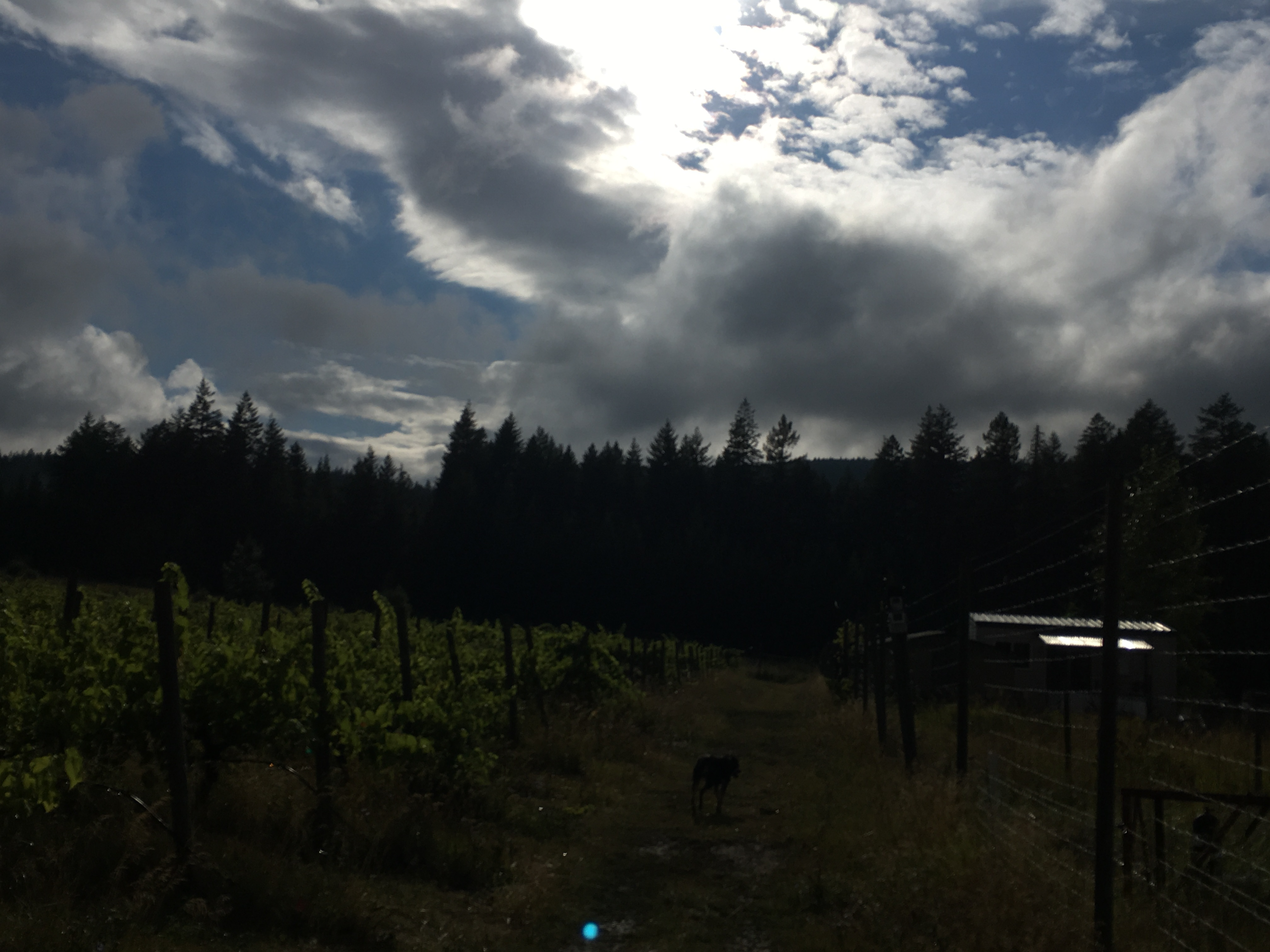
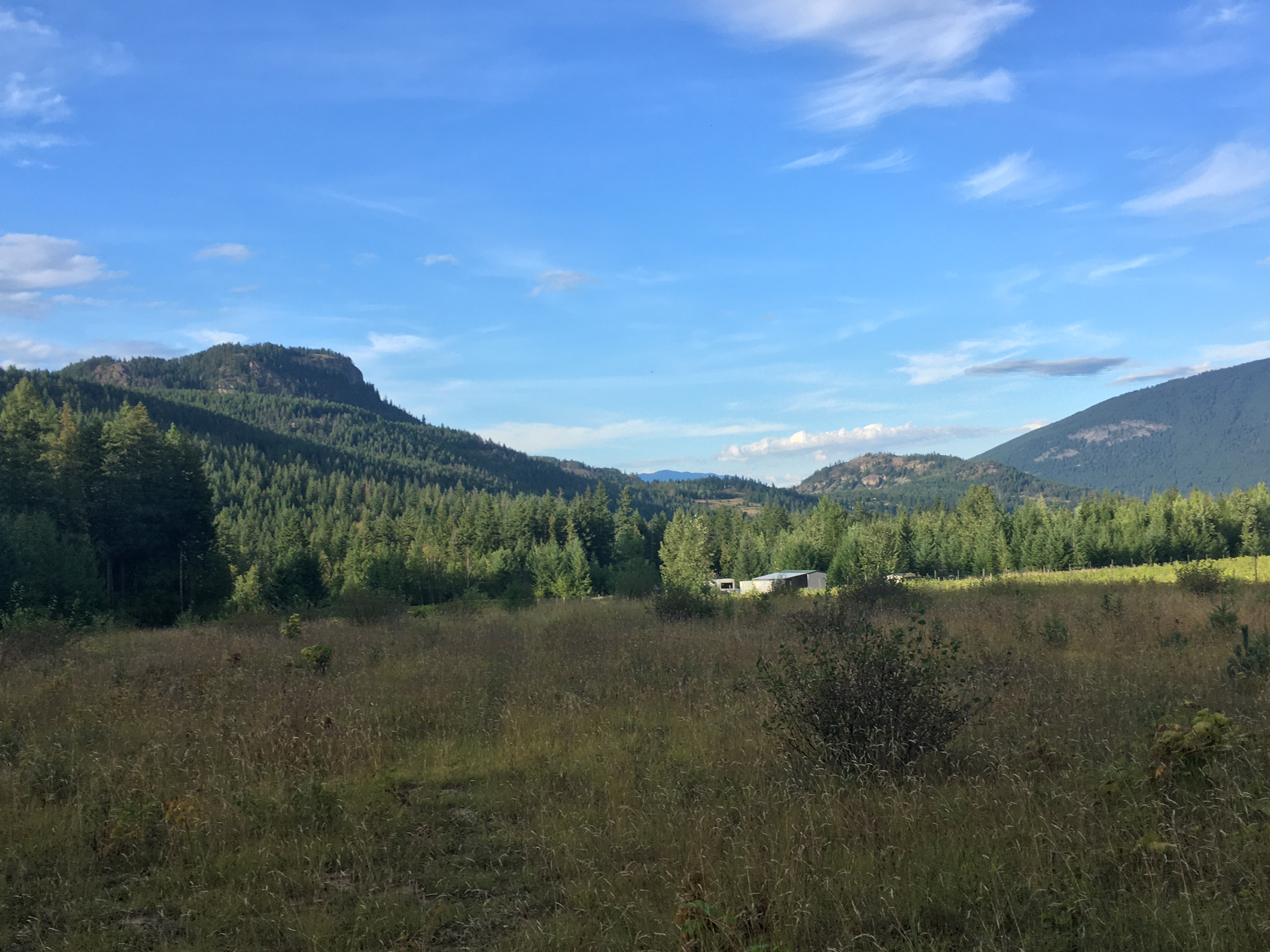
When I arrived I was truly blown away by the beauty of the mountains which surrounded the farmstead like a dale.
The air was crisp, and my host said that the water was the top 1% in the province as they had a good well. The food was clean and fresh of course as WWOOF requires the food provided to be organic, as it was sourced from a regenerative local farm.
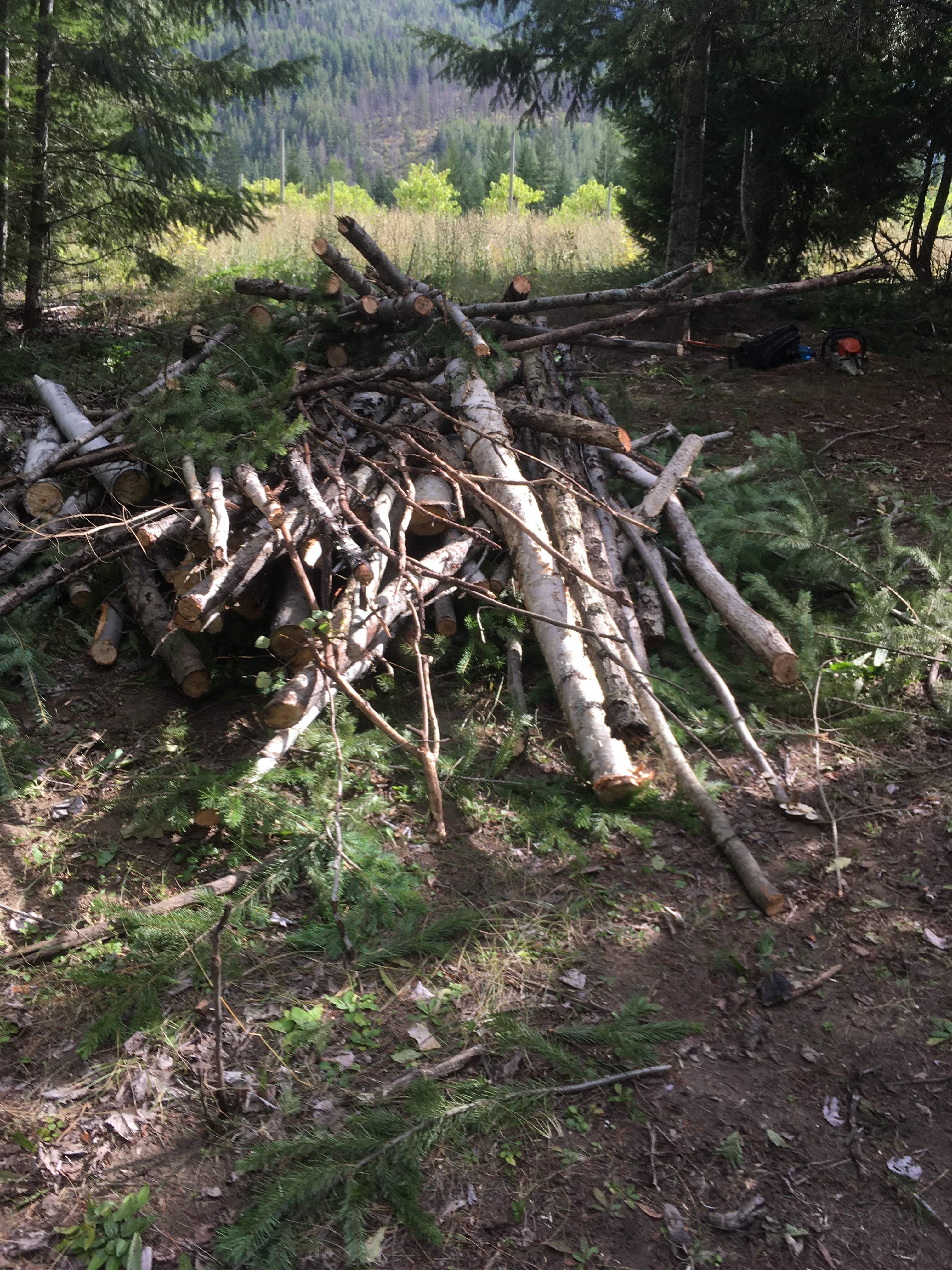
We did a variety of work throughout my stay, from tending to the vineyard, to chopping wood, to clearing brush for fire prevention, to general maintenance around the farmstead.
A couple of days we worked in the forested sections of the property to thin out trees and pick up loose sticks to transition the area more towards a silvopasture rather than a pure forest with no grassy undergrowth.
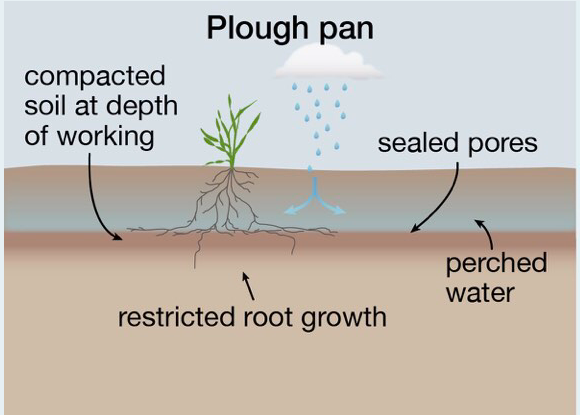
One of the most important things which I learned was the concept known as the "Plow Pan". This is a hard layer of soil which forms below the surface just below where the tillage stops from many years of repeated tillage.
This layer causes profoundly paradoxical effects to the soil by preventing water percolation, making the soil more vulnerable to even mild drought, and also preventing root growth where one might expect the opposite.
Although I was familiar with the usual side effects of tillage such as soil erosion and nutrient depletion, this phenomenon was a true eye-opener and confirmed my suspicions of tillage and by extension the degenerative farming paradigm as a whole.
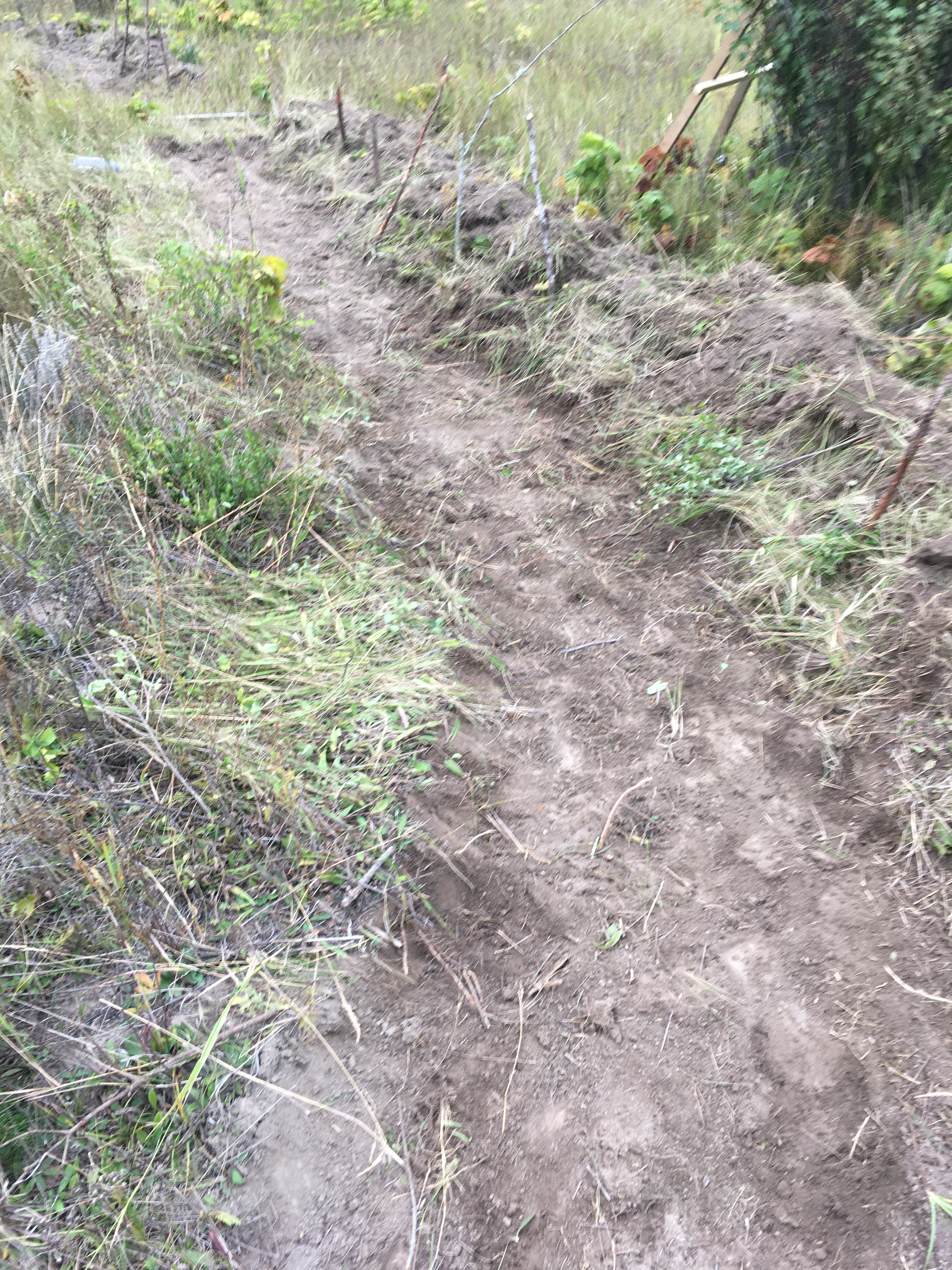
We also dug a permaculture swale on the property in a gently sloping area to help with water retention and soil health.
This was of course, difficult work and I have not exactly been a digger in my life yet and my host easily outpaced me having walked 10+ miles in caulk boots when lumbering for years.
One's body becomes very well conditioned after such hard work. Still, I put in a good deal of effort and we got a nice amount done!
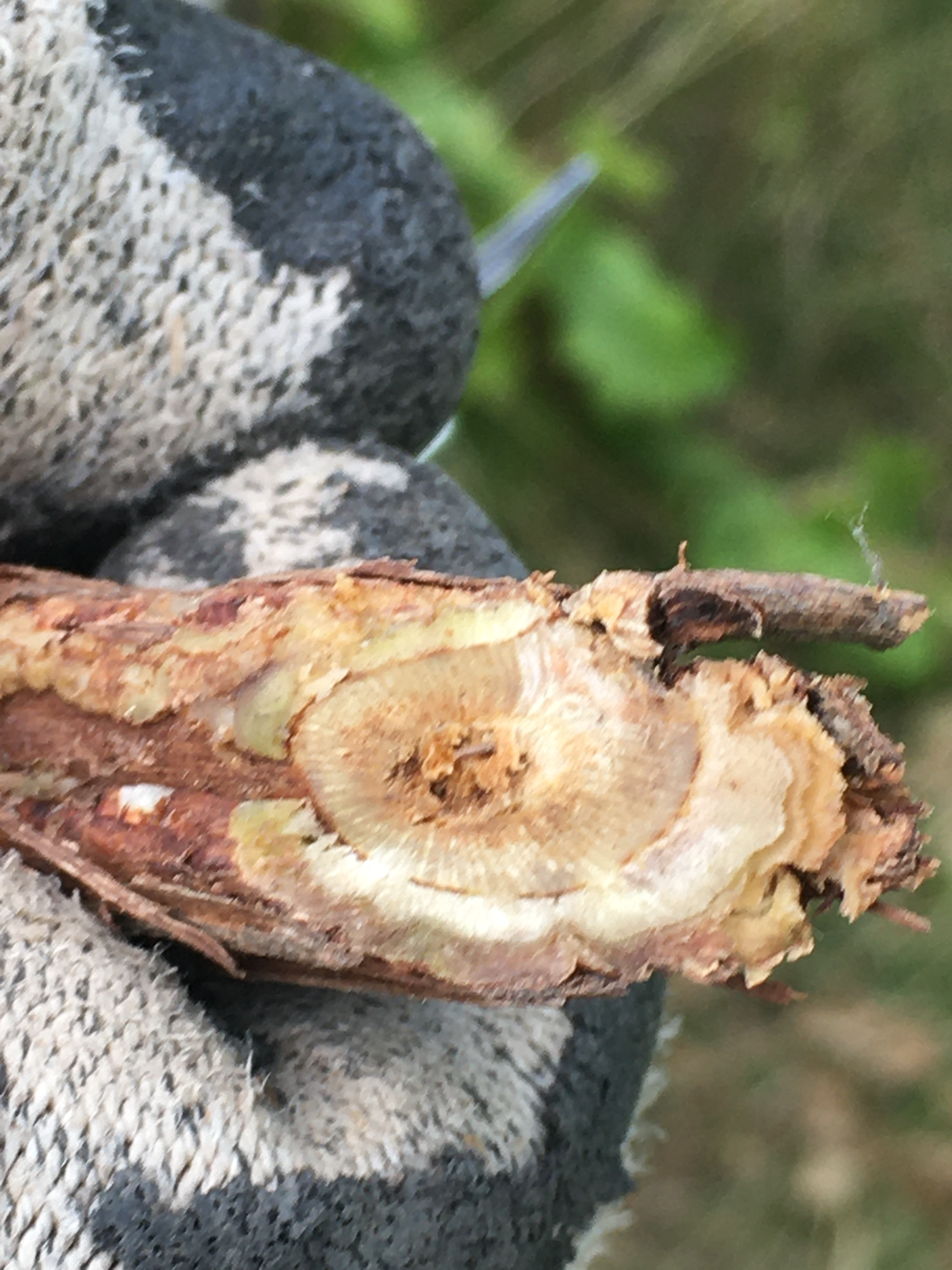
At one point, we encoutnered a nasty vine disease which had just appeared in the vineyard, known as crown gall!
This is a nasty disease where bacterium invade the vines through microscopic cracks, usually caused by hard winters which freeze-thaw the vines and cause cracks.
They will then form galls which divert nutrients from the vine to allow themselves to reproduce.
My host is somewhat inexperienced regarding this and it's the first time he saw it, thank God I caught them early on!
There is no true cure but watchful waiting and containment, some breeds are more resistant than others.
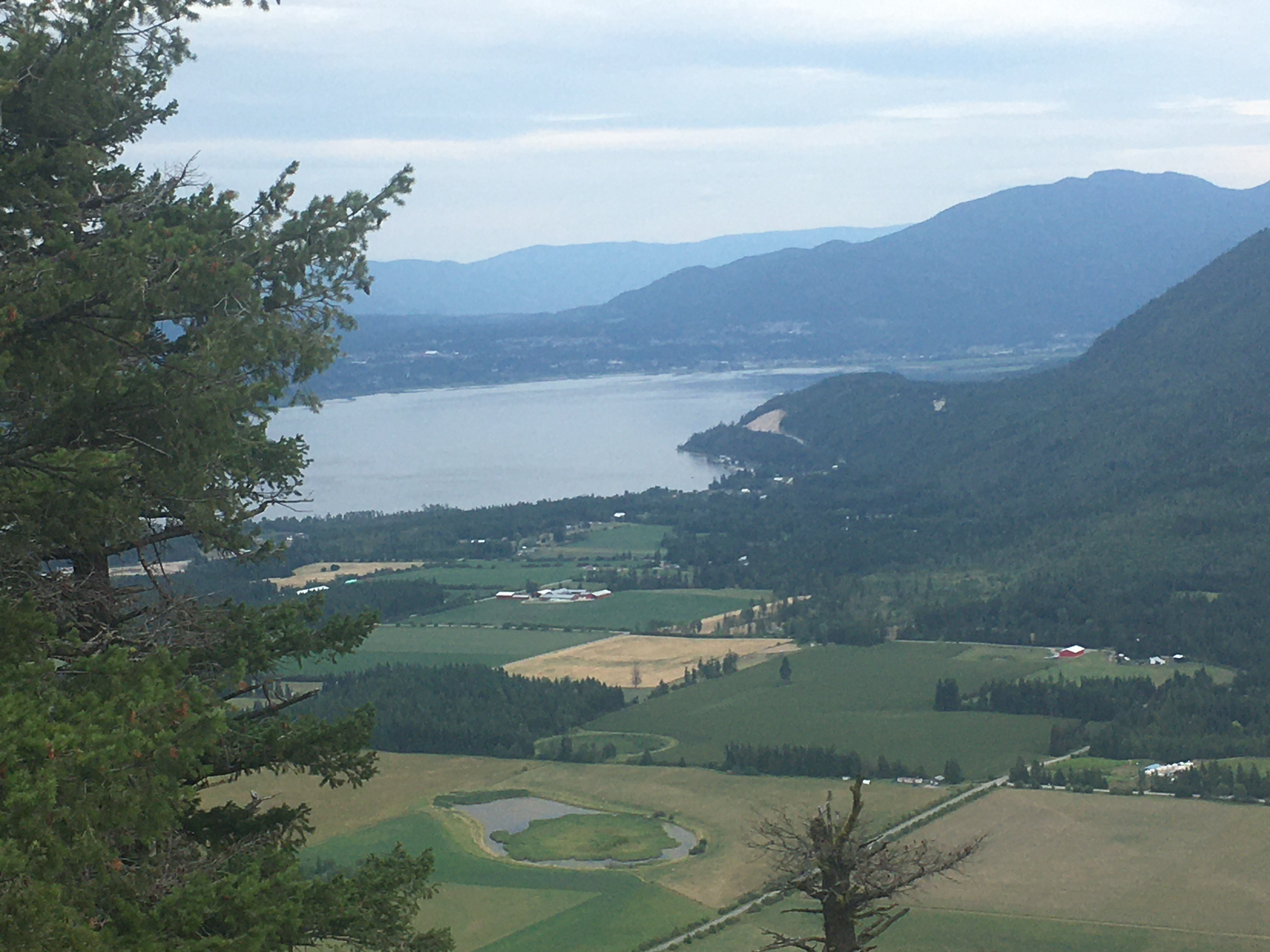
I went for a couple of hikes near the property on my spare time. One of my destinations was Tappen Bluff, it's the big outcropping of rock you will see in the first image on this post.
It's a steep climb at 1,500 feet elevation gain but the view is incredible! I got a good workout doing that hike, at 8 miles.
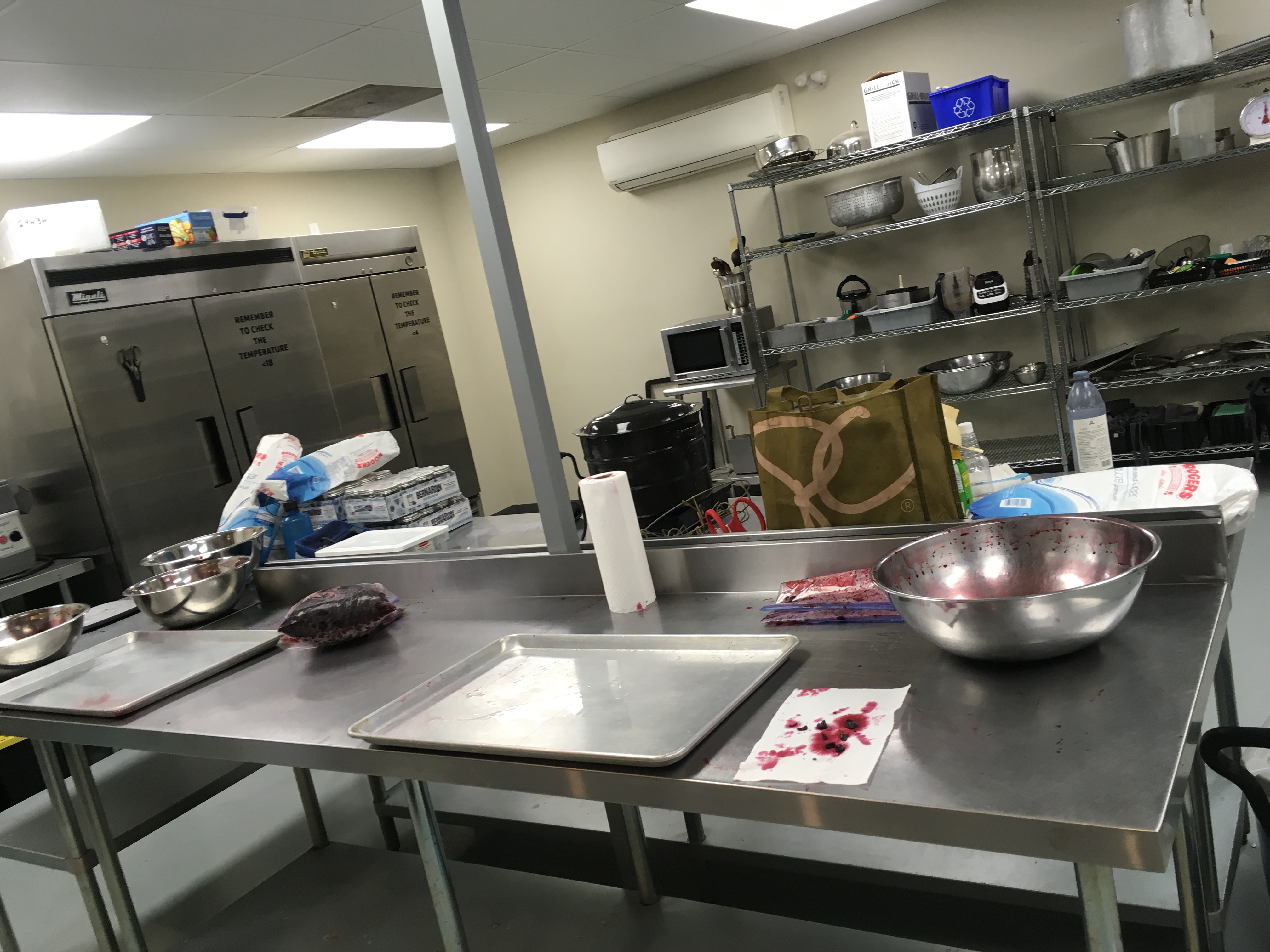
Toward the end my stay we spent a day in a nearby commercial food hub called Zest Kitchen, where we processed haskap berries into jam and juice.
Haskap berries are a specialty of the Okanagan region and are known for their high antioxidant content and unique flavor.
They are quite difficult to harvest and are usually hand-picked, and are not commonly found in commercial stores in this region.
Overall, my first WWOOF trip was an incredible experience that taught me a lot about regenerative farming, permaculture, and the importance of sustainable agriculture.
A photo montage of various other aspects of my trip: